Colonoscopy
Direct examination of the colon and rectum to investigate symptoms, screen for cancer and remove suitable polyps.


Specialist colorectal care
Specialist diagnosis and treatment of conditions affecting the colon, rectum and anus.
Whether you are experiencing rectal bleeding, persistent abdominal discomfort, changes in bowel habits, haemorrhoids, anal pain, inflammatory bowel disease, or concerns about colorectal cancer, Dr Mohammad Nathire provides comprehensive assessment and evidence-based treatment tailored to your individual needs.
Dr Mohammad Nathire is a specialist colorectal surgeon with advanced training in diseases of the colon, rectum and anus.
His practice focuses on the diagnosis, treatment and long-term management of colorectal conditions ranging from common problems such as haemorrhoids and anal fissures to complex colorectal cancers, inflammatory bowel disease and pelvic floor disorders.
Every patient receives an individualised treatment plan designed to achieve the best possible outcome while maintaining quality of life, comfort and dignity.
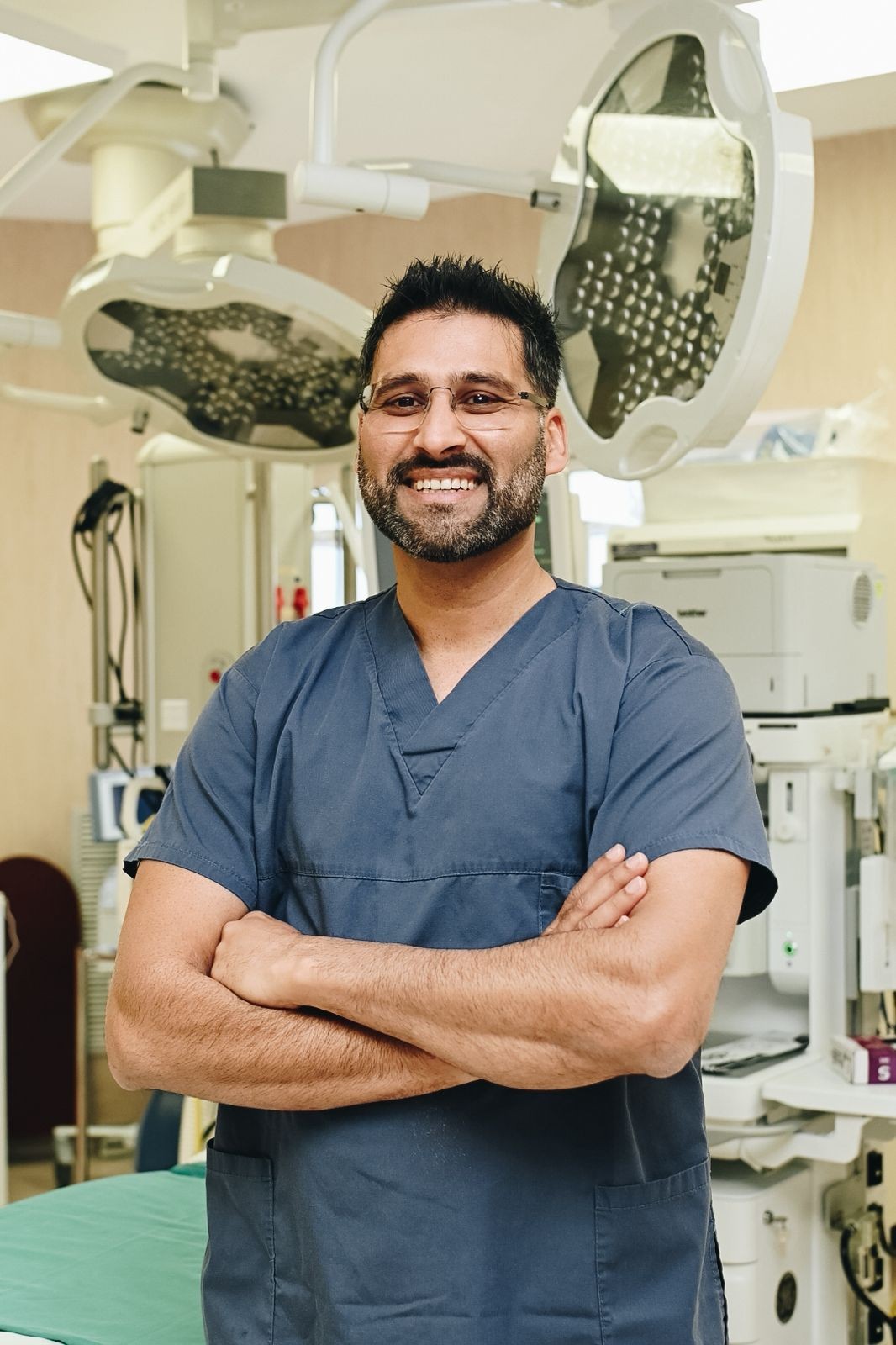
Dr Mohammad Nathire is a specialist colorectal surgeon committed to delivering evidence-based care for patients with diseases of the colon, rectum and anus.
He combines advanced surgical expertise with a compassionate patient-centred approach. Patients are guided through every stage of diagnosis, treatment and recovery with clear communication and personalised care plans.
BSc (Hons) MBChB (UCT) FCS (RSA) MMed (UCT) Cert Surg Gastro (RSA Colorectal)

Patients are assessed with care, privacy and clear clinical guidance so that the right investigation or treatment plan can be chosen.
Patients receive clear explanations, compassionate care and access to modern surgical techniques, including minimally invasive and laparoscopic colorectal surgery where appropriate.
Direct examination of the colon and rectum to investigate symptoms, screen for cancer and remove suitable polyps.
Endoscopic assessment, biopsy and targeted investigation of bowel symptoms.
Keyhole surgery through small incisions for selected colorectal conditions.
Surgical treatment planned alongside imaging, pathology and multidisciplinary cancer care.
Treatment for advanced, recurrent or troublesome haemorrhoids when conservative options are not enough.
Specialist treatment for chronic fissures causing ongoing pain and bleeding.
Surgical management of anal fistulas and abscess-related disease while protecting continence.
Removal of suitable colon polyps during colonoscopy to reduce future cancer risk.
Removal of diseased sections of bowel for cancer, diverticular disease or selected benign conditions.
Urgent surgical care for selected complications such as obstruction, perforation, sepsis or bleeding.
Many colorectal symptoms are treatable, but they should not be ignored. Early assessment can provide reassurance, identify the cause and guide treatment.
Colorectal cancer is one of the most common cancers worldwide. It may develop from colon polyps over several years, which is why screening can play such an important role in prevention and early diagnosis.
Blood in the stool, unexplained weight loss, persistent abdominal pain, changes in bowel habits, fatigue and anaemia should be assessed.
Treatment may include surgery, chemotherapy or radiation therapy depending on the stage and location of disease.
Dr Nathire works within a multidisciplinary team to provide comprehensive cancer care and coordinated treatment planning.
Regular screening can detect and remove polyps before cancer develops, and can identify cancer at an earlier stage.
A colonoscopy is the gold standard investigation for examining the inside of the colon and rectum. It allows direct visualisation of the bowel lining using a flexible camera and can identify polyps, inflammation, bleeding sources and colorectal cancer.
The procedure is usually performed under sedation. Patients are generally comfortable throughout and usually return home the same day.
Screening can find polyps before they become cancerous and can detect colorectal cancer at an earlier stage, when treatment is often more effective.
Swollen blood vessels in the anal canal that may cause bright red bleeding, itching, swelling, pain or prolapse. Many respond to fibre, medication or office procedures; surgery is reserved for advanced cases.
A small tear in the lining of the anal canal that can cause sharp pain during bowel movements, bleeding and burning discomfort. Early treatment can prevent chronic symptoms.
An abnormal tunnel connecting the anal canal to the skin around the anus, often following infection or abscess. Treatment is usually surgical and aims to eliminate infection while preserving continence.
Small pouches develop in the wall of the colon and may cause abdominal pain, bloating or altered bowel habits. Complications can include diverticulitis, abscess, perforation or obstruction.
A chronic inflammatory bowel disease that can affect any part of the digestive tract. Medical and surgical treatment can help patients achieve long-term disease control.
A chronic inflammatory condition affecting the colon and rectum. Management may include medication, surveillance colonoscopy and surgery in selected cases.
Conditions such as rectal prolapse, faecal incontinence and obstructed defecation. Treatment may include physiotherapy, lifestyle modification or surgery.
Your first consultation may include a discussion of symptoms, medical history and treatment options. Please bring previous medical records, investigation results, a medication list and medical aid information.
A colorectal surgeon is a specialist surgeon with advanced training in disorders affecting the colon, rectum and anus.
A colonoscopy is a procedure that allows direct visualisation of the large bowel using a flexible camera.
Most colonoscopies are performed under sedation and patients are comfortable throughout the procedure.
If you have rectal bleeding, bowel habit changes, abdominal symptoms, anaemia, family history of colorectal cancer or require routine screening.
Polyps are abnormal growths inside the colon that may develop into cancer if left untreated.
Blood in stool, weight loss, bowel habit changes, abdominal pain, anaemia and fatigue.
When detected early, colorectal cancer is often highly treatable and potentially curable.
No. Many can be treated conservatively. Surgery is reserved for severe or recurrent cases.
Straining, constipation, pregnancy, obesity and prolonged sitting can contribute to haemorrhoids.
An anal fissure is a small tear in the lining of the anal canal that causes pain and bleeding.
An anal fistula is an abnormal tract between the anal canal and skin, usually following infection.
Diverticular disease is a condition where small pouches form in the colon wall and may become inflamed.
Crohn's disease is a chronic inflammatory bowel disease affecting any part of the digestive tract.
Ulcerative colitis is a chronic inflammatory condition affecting the colon and rectum.
Laparoscopic surgery is a minimally invasive surgical technique performed through small incisions.
Recovery depends on the procedure and may range from days to several weeks.
Most patients do not require a stoma, but it may be necessary in certain complex situations.
Screening, healthy lifestyle choices and removal of precancerous polyps can significantly reduce risk.
Persistent rectal bleeding, unexplained weight loss, severe abdominal pain and ongoing changes in bowel habits should be assessed.
This depends on your medical aid and practice requirements.
Patients and referring doctors can contact the practice directly for appointment availability, referrals and procedure planning.
Contact the practice
Complete the details below and the practice will receive your enquiry.